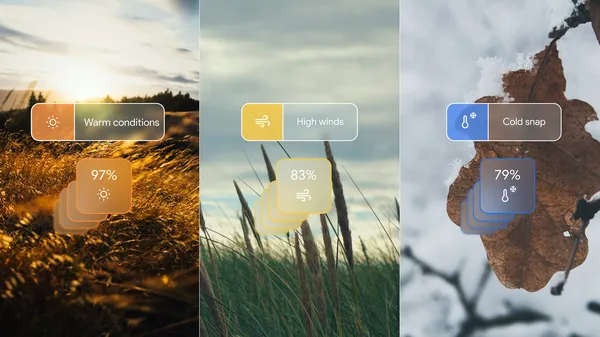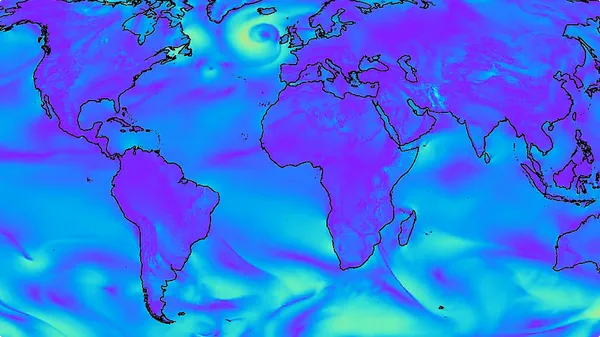
Weather profoundly influences our daily lives, from global logistics and air travel to personal commutes. In recent years, artificial intelligence has revolutionized weather forecasting, expanding its capabilities and applications. Today, Google DeepMind and Google Research unveil WeatherNext 2, their most advanced and efficient forecasting model yet. This innovation generates forecasts eight times faster with resolutions as fine as one hour, enabled by a model that produces hundreds of possible scenarios. It has already supported weather agencies in decision-making through experimental cyclone predictions.
Now, this cutting-edge research is transitioning from the lab to real-world use. WeatherNext 2’s forecast data is accessible via Earth Engine and BigQuery, and an early access program is available on Google Cloud’s Vertex AI platform for custom model inference. Additionally, WeatherNext technology has enhanced weather forecasts in Google Search, Gemini, Pixel Weather, and the Google Maps Platform’s Weather API, with plans to integrate it into Google Maps in the coming weeks.
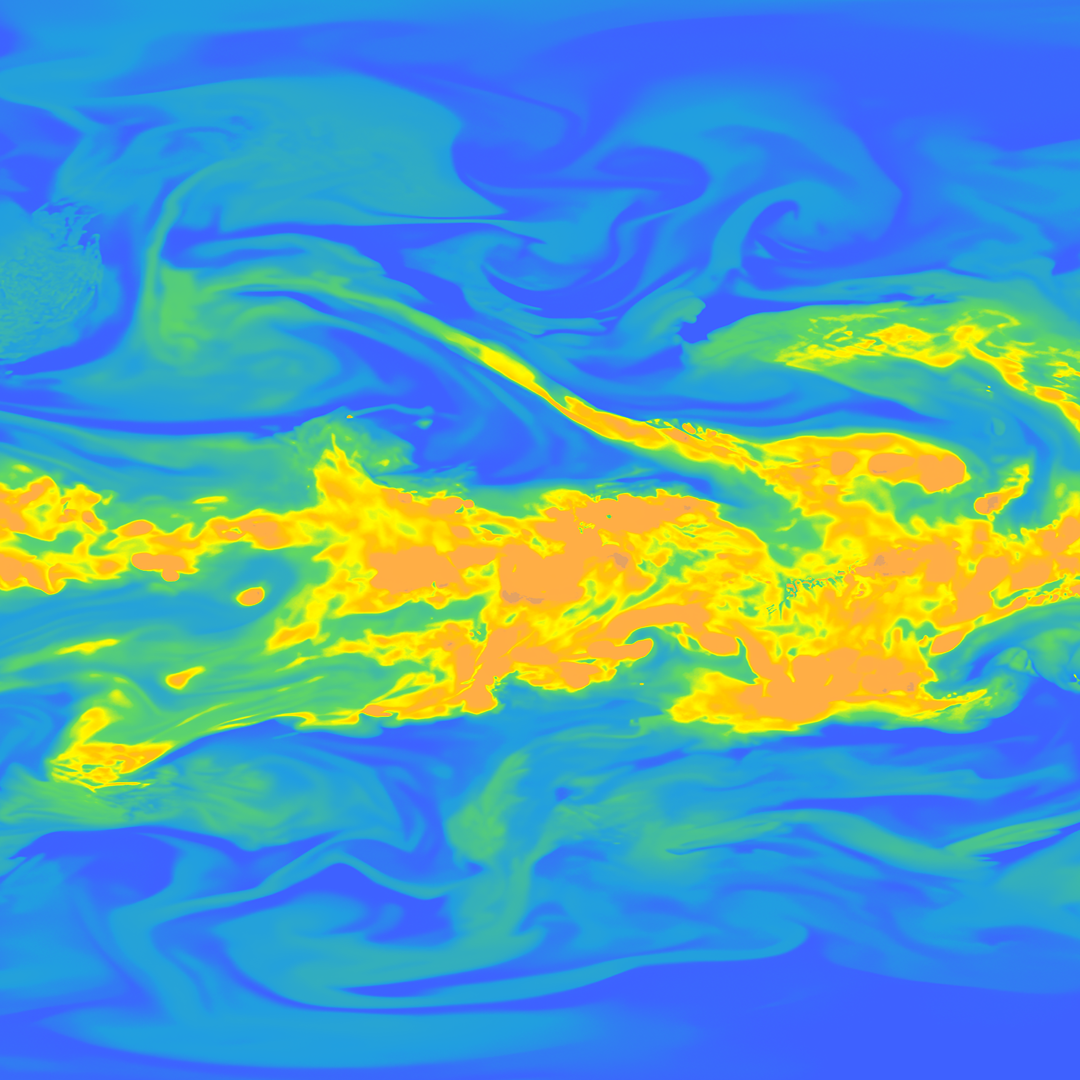
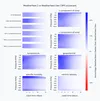
Predicting a wide range of possibilities is crucial, especially for worst-case scenarios that require careful planning. WeatherNext 2 excels by generating hundreds of potential weather outcomes from a single input in under a minute using just one TPU—a task that would take hours on traditional supercomputers with physics-based models. The model achieves higher resolution predictions down to the hour and outperforms its predecessor on 99.9% of variables, such as temperature, wind, and humidity, across lead times of 0 to 15 days, resulting in more accurate and practical forecasts.
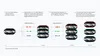
This leap in performance is driven by a novel AI approach called the Functional Generative Network (FGN), which injects noise directly into the model architecture to maintain physically realistic and interconnected forecasts. This method is particularly effective for predicting “marginals” (individual weather elements like temperature or wind speed) and “joints” (complex, interconnected systems). Remarkably, the model learns to forecast joints skillfully from marginal training alone, enabling critical predictions such as identifying heat-affected regions or estimating wind farm power output.
With WeatherNext 2, Google is translating advanced research into impactful applications, committed to pushing technological boundaries and making tools available globally. Future efforts will focus on integrating new data sources and expanding access. By offering powerful tools and open data, Google aims to accelerate scientific discovery and empower researchers, developers, and businesses to tackle complex challenges and build for the future.
For those interested in exploring further, resources include Google Earth, Earth Engine, AlphaEarth Foundations, and Earth AI. Detailed information on WeatherNext 2 can be found in the research paper, developer documentation, Earth Engine Data Catalog, and BigQuery for data queries, with early access sign-ups available on Cloud Vertex AI.