Scientists are increasingly using microphones and underwater hydrophones to gather vast amounts of audio data from ecosystems worldwide. These recordings capture vocalizations from birds, frogs, insects, whales, and fish, offering valuable insights into biodiversity and ecosystem health. However, processing this immense volume of data has traditionally been a significant challenge.

Enter Perch, an AI model specifically designed to help conservationists analyze bioacoustic data more efficiently. The latest update brings substantial improvements: enhanced bird species prediction capabilities, better adaptation to underwater environments like coral reefs, and training on nearly twice as much data from sources like Xeno-Canto and iNaturalist. This expanded training includes mammals, amphibians, and even anthropogenic noise, making the model more versatile than ever.

Since its initial launch in 2023, Perch has been downloaded over 250,000 times and integrated into tools used by working biologists worldwide. Its vector search library now powers Cornell’s widely-used BirdNet Analyzer, while collaborations with BirdLife Australia and the Australian Acoustic Observatory have led to remarkable discoveries, including identifying new populations of the elusive Plains Wanderer.
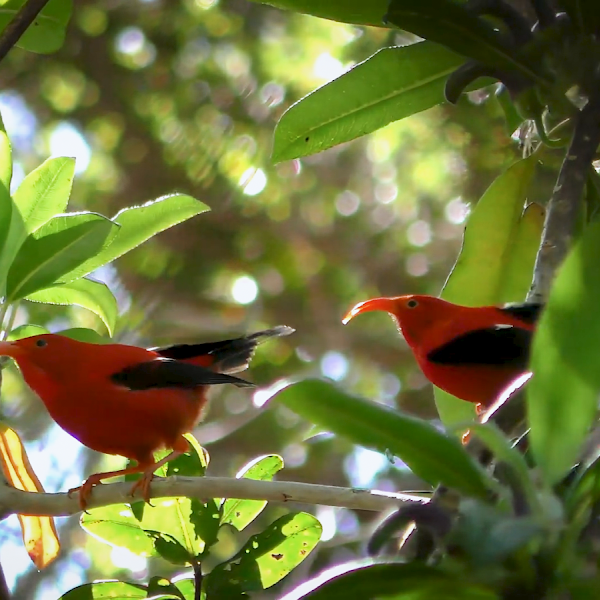
Recent applications demonstrate Perch’s growing impact: identifying individual birds, tracking population abundance, and dramatically accelerating monitoring efforts. At the University of Hawaiʻi, researchers used Perch to detect honeycreeper sounds nearly 50 times faster than traditional methods, crucial for protecting these culturally significant birds from avian malaria.

Beyond species identification, Perch enables agile modeling through vector search and active learning. This approach allows scientists to build high-quality classifiers in under an hour, even for species with scarce training data or specific sounds like juvenile calls. The method has proven effective across diverse environments, from bird habitats to coral reefs.
Looking forward, these advancements in bioacoustics are maximizing conservation impact by freeing up resources for meaningful fieldwork. Every classifier developed and every hour of data analyzed brings us closer to preserving our planet’s rich biodiversity. The Perch project exemplifies how technical innovation can address critical environmental challenges, helping ensure that Earth’s natural soundtrack continues to thrive for generations to come.